
Joint Replacement Surgery: What Patients Should Know
Joint replacement has transformed the lives of millions of people living with severe joint pain. For patients whose knees or hips no longer respond to medication and physiotherapy, replacing the worn joint can restore movement and end years of daily pain. If your doctor has mentioned joint replacement, here is what you should understand before making a decision.
What is joint replacement?
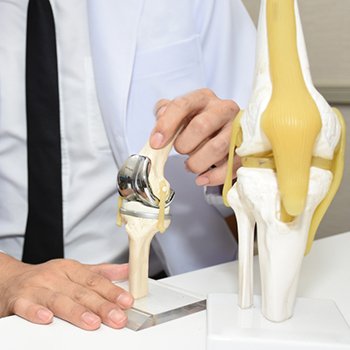
Joint replacement is a surgery in which a damaged joint — most commonly the knee or hip — is replaced with an artificial implant made of metal, ceramic, or medical-grade plastic. The new joint is designed to move smoothly and carry your weight, taking over the role of the worn-out natural joint.
It is one of the most successful orthopedic procedures, with most modern implants lasting 15 to 20 years or more with proper care.
When is it recommended?
Surgery is usually considered only after non-surgical treatments have been tried. Your doctor may recommend it if you have persistent pain that limits everyday activities like walking or climbing stairs, stiffness that reduces your range of movement, or joint damage visible on X-ray from arthritis or injury.
The decision is never based on age alone. What matters most is how much the joint pain affects your quality of life and whether other treatments have stopped working.
Before deciding on surgery
Most patients first try weight management, physiotherapy, anti-inflammatory medication, and sometimes injections. These can relieve symptoms for months or years and may delay the need for surgery.
If pain continues despite these steps, a detailed assessment — including examination and imaging — helps your surgeon confirm whether replacement is the right option and which type of implant suits you.
What recovery looks like
Recovery is a gradual process. Many patients stand and take a few steps with support within a day or two of surgery. Physiotherapy begins early and is the key to a good outcome — the exercises rebuild strength and restore movement.
Most people return to light daily activities within four to six weeks, with continued improvement over several months. Following your physiotherapy plan and attending follow-up visits makes a real difference to how well and how quickly you recover.
Making your new joint last
Maintaining a healthy weight reduces stress on the implant. Staying active with low-impact exercise such as walking, cycling, or swimming keeps the muscles around the joint strong, while very high-impact activities are best avoided.
Regular follow-up allows your surgeon to monitor the implant over time and address any concerns early.
Talk to a specialist in Guntur
Every joint and every patient is different. If joint pain is affecting your daily life, an orthopedic consultation at Shiva Hospitals can clarify whether you are a candidate for surgery — or whether simpler treatments can help first. The goal is always to get you moving comfortably again with the least intervention necessary.
Frequently Asked Questions
This article is for general information and is not a substitute for medical advice.